Is a Mini Stepper Actually Worth Buying for a Small Apartment? An Honest Breakdown
Quick Answer: A mini stepper is a legitimate low-impact, low-space cardio option that can raise heart rate meaningfully for 15-30 minute sessions, but it’s a supplement to a fitness routine, not a full replacement for varied cardio or any strength training. It’s most worth it for people who genuinely have no other cardio space or equipment option.
Mini steppers show up constantly in small-space fitness content, promising real cardio in a footprint smaller than a yoga mat. Is that actually true, or is it a compromise device that undersells itself in the marketing?
Is a mini stepper actually a real workout, or just token movement?
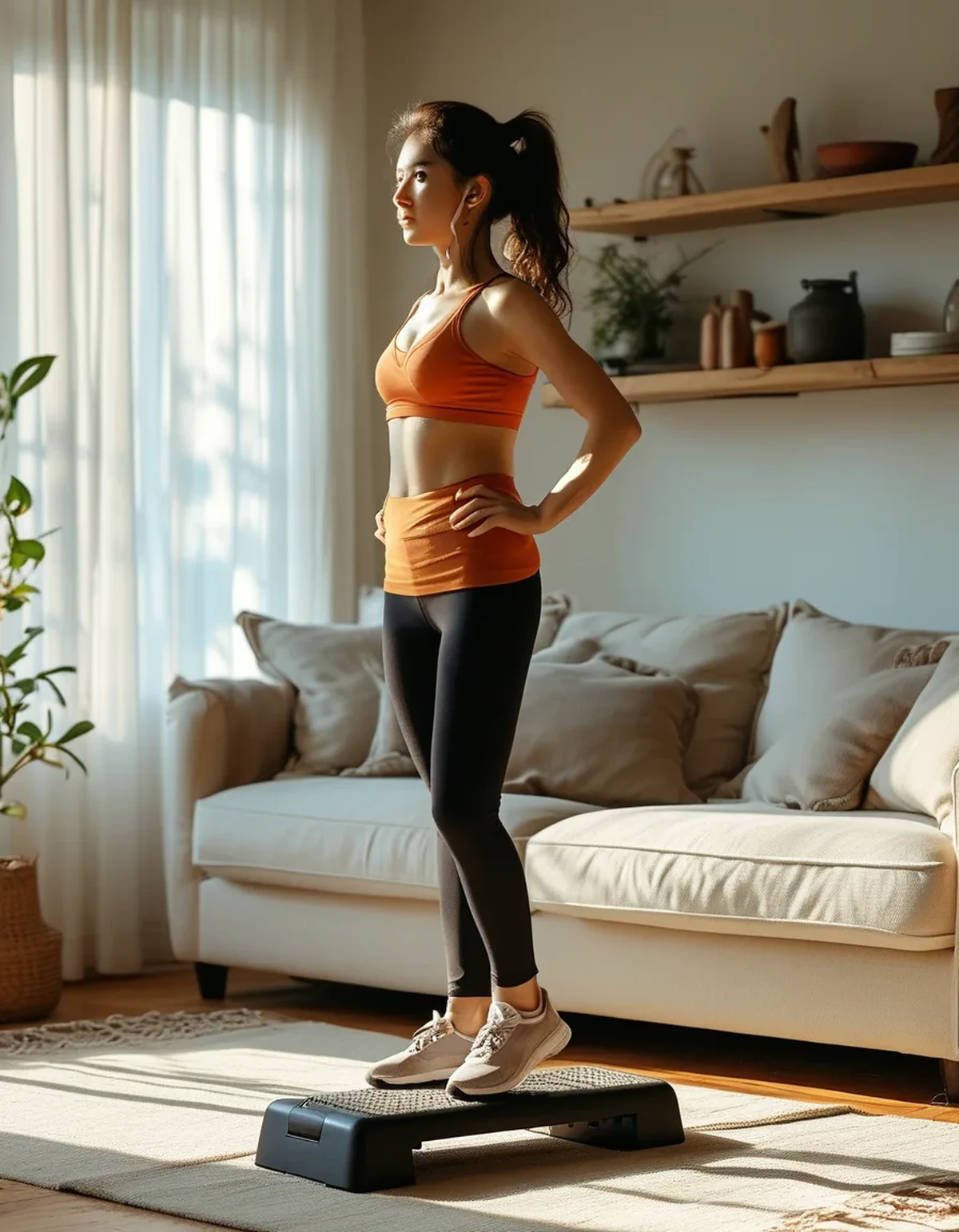
It can be a genuine workout — sustained stepping at a moderate-to-vigorous pace does raise heart rate into a meaningful cardio training zone, comparable to a brisk incline walk, for people who commit to real effort rather than a slow, passive pace. The device’s limitation isn’t intensity ceiling for most users; it’s that the range of motion and muscle engagement is narrower than more full-body cardio options.
How many calories does it actually burn compared to other cardio?
Roughly comparable to brisk walking or light stair climbing for equivalent time and effort — meaningfully less than running or a rowing machine at matched intensity, since the movement pattern is smaller and doesn’t engage upper body or full stride length. For a 20-30 minute session at real effort, it’s a legitimate moderate-intensity cardio session, just not an especially high-calorie-burn one.
Can you build any muscle using a mini stepper?
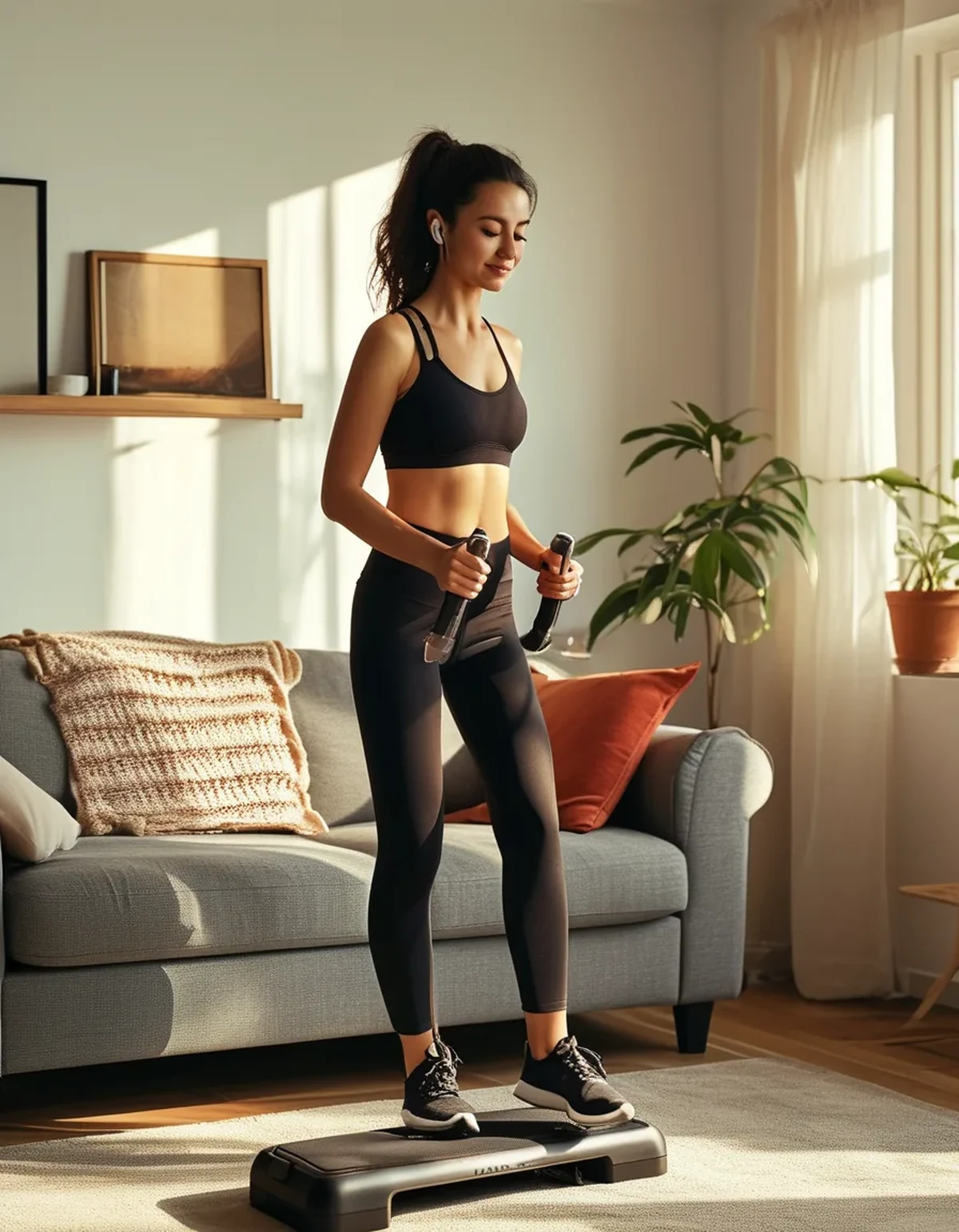
Minimally, and mostly in the lower body — it’s primarily a cardiovascular tool, not a strength-building one. Some models add resistance bands for upper body engagement during stepping, which adds a modest additional stimulus, but a mini stepper shouldn’t be relied on as a strength training substitute regardless of added accessories.
Is a mini stepper a good habit-building tool specifically?
This may be its strongest actual use case. Low setup friction (no dedicated workout clothes or leaving the house required) and compatibility with watching TV or taking calls while using it make it genuinely easier to use consistently than equipment requiring more commitment — and consistency is usually the biggest predictor of cardio benefit over time, more than any single session’s intensity.
What does buying one actually require in terms of space and budget?
Most models fit in roughly a 2x2 foot footprint and store upright or under furniture, genuinely delivering on the small-space promise. Budget models start quite low-cost; the main quality differentiator between price tiers is usually hydraulic resistance smoothness and step height range, which affects comfort more than core function.
FAQ: Mini Steppers, Answered
How long should you use a mini stepper each session for real benefit?
15-30 minutes at a genuinely elevated heart rate is a reasonable target, similar to other moderate-intensity cardio session length guidance.
Is a mini stepper a good workout for people with knee issues?
It’s lower-impact than running or jumping activities, which can make it a reasonable option for some joint-sensitive users, though anyone with a specific knee condition should check with a physical therapist or doctor before relying on it regularly.
Should you buy a mini stepper instead of a full-size machine if budget and space allow either?
If space and budget genuinely allow a full-size elliptical or stationary bike, those generally offer more intensity range and muscle engagement — the mini stepper’s advantage is specifically for genuinely constrained space or budget situations.
TL;DR:
- A mini stepper delivers real, moderate-intensity cardio comparable to brisk walking
- It’s not a strength-building tool and doesn’t replace varied cardio at higher intensities
- Its biggest strength is low-friction consistency — easier to use daily than bulkier equipment
- Worth it specifically for genuinely space- or budget-constrained situations, not as an upgrade choice
It won’t replace a full gym setup, but for the specific problem it’s designed to solve — consistent movement in almost zero space — it does the job honestly.
Keep Reading
This article is for general informational and styling purposes only. Fit, sizing, and product availability may vary.