Mini Stepper vs Walking Pad: The Small-Space Cardio Showdown
The small-space cardio question comes down to two machines — the mini stepper and the walking pad — and they’re less interchangeable than their footprints suggest. The honest showdown: the movement, the practicalities and which one fits your actual life.
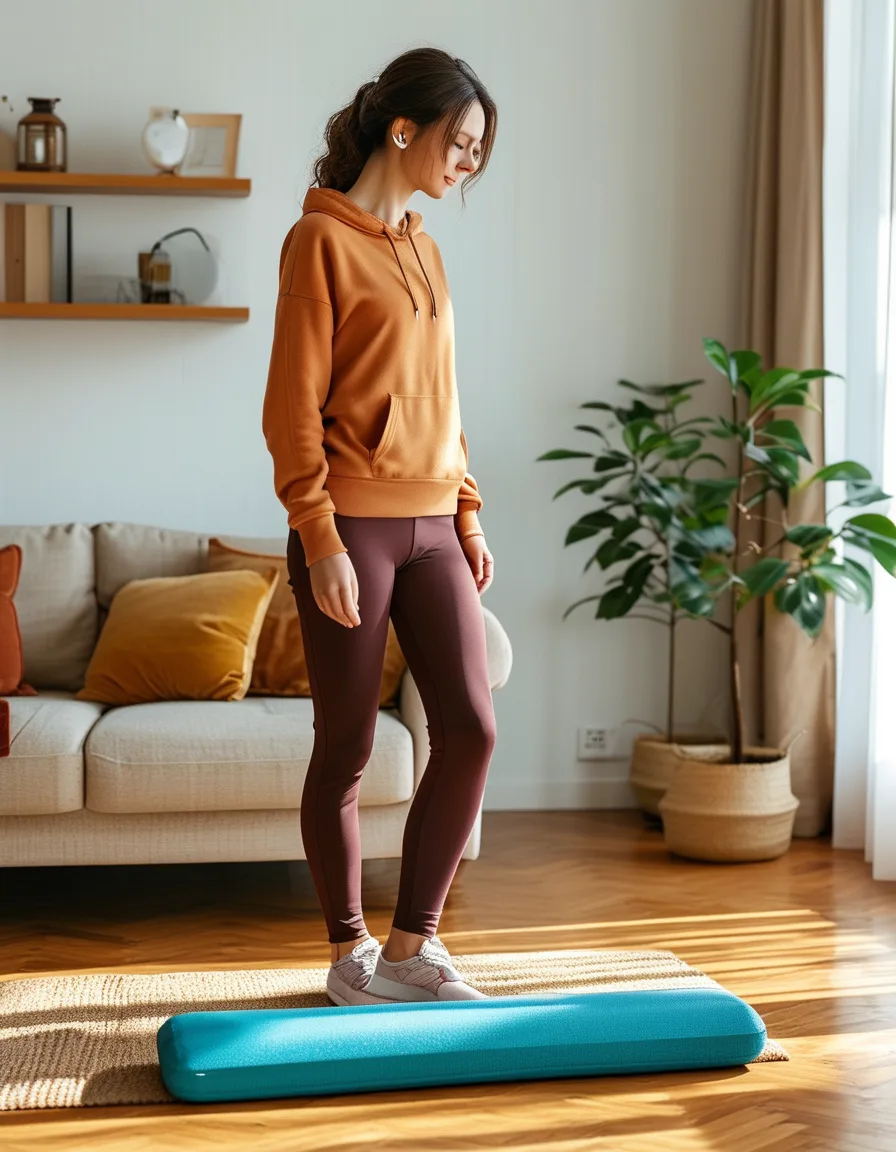
The Movement Compared
What each actually trains: the stepper’s profile (the stair-adjacent stepping motion — the calf-quad-glute emphasis; the balance demand that doubles as training per the stepper doctrine; the intensity ceiling raised by resistance dials and pace), the walking pad’s profile (the genuine walking gait — the natural movement the body already owns; the zero learning curve; the intensity capped by belt speed and no incline on most models), the calorie-and-effort honesty (the equal-time comparison favoring the stepper at matched effort — the vertical work costing more; the pad winning on sustainable DURATION: the hour of walking that stepping can’t match comfortably), the joint considerations (the pad’s familiar gait being gentlest — the stepper’s repetitive stepping taxing calves and knees for some per the low-impact doctrine; both beating pavement), and the training-effect verdict (the pad as the NEAT machine — the all-day light-activity engine; the stepper as the short-session machine — the 15-30 minute focused burst; different jobs wearing similar clothes).
The Practicalities
The real-life factors: the footprint-and-storage (the stepper winning outright — the under-couch stow versus the pad’s slim-but-long presence; the studio-apartment tiebreaker), the noise comparison (the stepper’s hydraulic hiss versus the pad’s motor-and-footfall hum — both neighbor-friendly, the stepper slightly quieter; the apartment doctrine’s blessing on each), the price tiers (the stepper’s modest entry versus the pad’s higher one — the budget gap being real; the used-market notes for both), the durability honesty (the stepper’s hydraulic wear over years versus the pad’s motor-and-belt maintenance — the weight-limit checks on both; the quality-tier buying from the gear doctrine), the desk-compatibility question (the pad’s walking-while-working genius — the standing-desk pairing from the desk chapters; the stepper being screen-compatible but not typing-compatible: the balance-and-bounce that ruins keyboards), and the boredom profiles (the pad’s podcast-and-work absorption versus the stepper’s show-pairing from the TV doctrine).
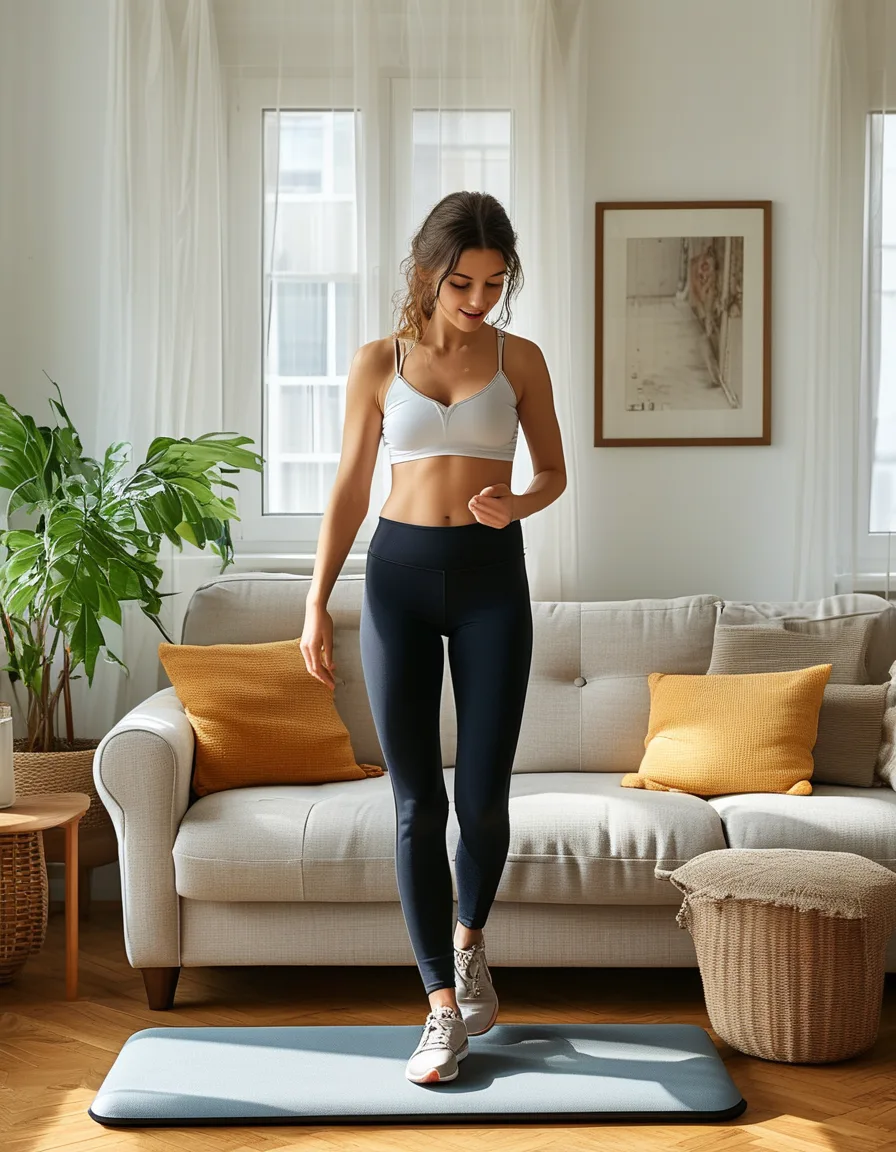
The Right-Pick Guide
Machine by person: the desk-worker-with-a-standing-desk (the walking pad decisively — the work-hours NEAT conversion being its unique power; the meetings walked), the evening-TV mover (either working — the stepper if space is tight, the pad if knees prefer walking), the small-apartment resident (the stepper’s stow-ability winning — the machine that disappears), the intensity seeker (the stepper’s resistance-and-pace ceiling — the short-hard sessions; the interval formats from the stepper doctrine), the older-or-joint-sensitive user (the pad’s familiar gait and handrail-free stability — with the balance note: the stepper TRAINS balance for those who want that per the balance chapters), the budget buyer (the stepper’s price point as the trial-run answer — the commitment tested before the pad investment), and the both-machines honesty (the pad-for-day, stepper-for-evening households being real — the two-tool NEAT system for the committed; unnecessary for most).
The Decision Frame
Choosing well: the use-case question first (the ‘when will I actually use this’ honesty — the work hours pointing pad, the TV hours pointing either, the tiny-burst preference pointing stepper; the machine matched to the existing schedule per the habit doctrine), the placement test (the machine you can leave OUT being the one that gets used — the visibility law from the TV doctrine; the storage-required purchase carrying a usage tax), the trial protocol (the two-week return windows used honestly — the week-one novelty discounted; the week-two usage being the data), the complement reminder (either machine raising the NEAT floor under real training — the strength-and-walks program unchanged per the program doctrine), and the verdict close (no universal winner — the pad being the better walking-more machine, the stepper the better small-hard-dose machine; the right answer being whichever converts YOUR sedentary hours; the showdown settled by your schedule, not the spec sheet). Desk hours pick the pad, tight space picks the stepper, either beats the couch: the small-space cardio, sorted.
The walking pad is a NEAT machine for desk hours and long easy volume; the stepper is a stow-anywhere short-session machine with a higher effort ceiling. Match the machine to the hours you’ll actually convert.
Keep Reading
This article is for general informational and styling purposes only. Fit, sizing, and product availability may vary.