When a Mini Stepper Needs Replacing and What Wears Out First
Quick Answer: The hydraulic cylinders are the wear item and they degrade gradually rather than failing outright - the oil thins with heat and use, and resistance can drop noticeably within 12 to 24 months of regular use. A stepper that suddenly feels easy at the same setting has usually not adapted to you; it has lost cylinder resistance. Cylinders are often replaceable for a fraction of the machine cost, and that is the first thing to check before buying a new unit.
The machine wears out silently. That is what makes it confusing.
Why do mini steppers get easier over time?
Because the resistance mechanism is a consumable, and nothing on the machine tells you it is wearing.
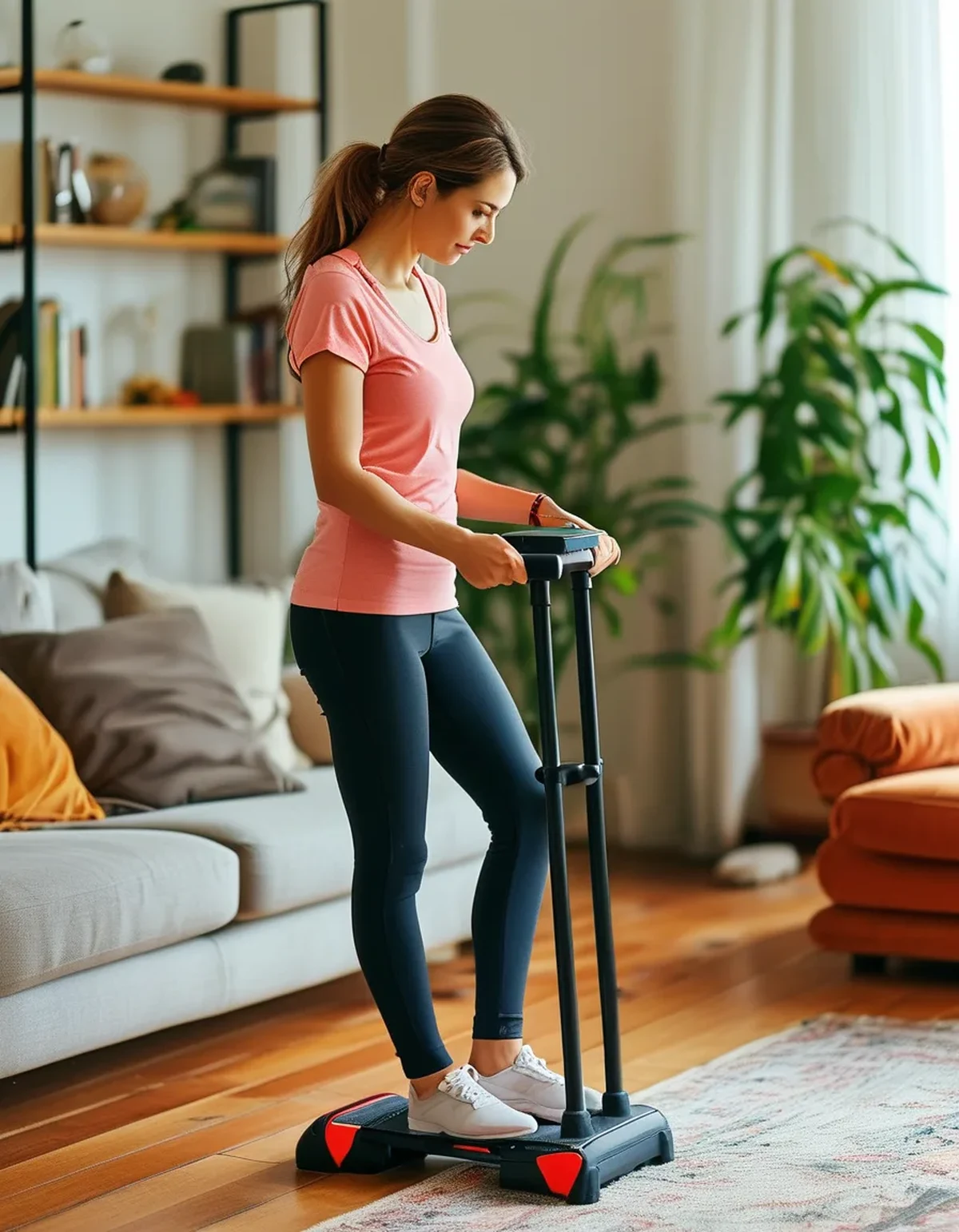
Most mini steppers use hydraulic cylinders - sealed tubes containing oil that is forced through a small orifice as the pedal descends. The resistance you feel is the fluid being pushed through that restriction. Turning the resistance dial changes the orifice size, not the fluid.
Two things degrade with use. The oil heats up and thins, which is why a stepper feels harder in the first two minutes and easier at minute fifteen - that is a normal within-session effect and it reverses when the machine cools. Over months, the oil degrades permanently through thermal cycling, and the seals lose their perfect closure so a small amount of fluid bypasses the restriction. Resistance drops and does not come back.
Signs the cylinders are going:
- The same resistance setting feels noticeably lighter than it did, even at the start of a session when the unit is cold
- One pedal feels lighter than the other - cylinders rarely degrade at the same rate, and asymmetry is the clearest single signal
- The pedal drops faster at the bottom of the stroke than it used to
- Increased hissing or a wet, oily film on or around the cylinder body
- The top resistance setting now feels like the middle setting used to
Why this matters more than it sounds. Cardio equipment only works if the load is preserved. A stepper losing 30 percent of its resistance over a year turns a training stimulus into a movement habit, and the drop is slow enough that people attribute it to getting fitter. Comparing heart rate to your own past sessions at the same setting is the honest test - if the resistance number matches but your heart rate is 15 beats lower for the same cadence, the machine changed, not you.
What else fails, and in what order?
A rough ranking by how often it happens.
1. Hydraulic cylinders - 12 to 36 months. The primary wear item, essentially always the first thing to go. On many models they are user-replaceable with a wrench and a pair of bolts, and a pair typically costs a fraction of a new machine. Check whether your model has replaceable cylinders before you buy, not after.
2. Pivot bushings and bolts - 12 to 24 months. The plastic bushings at the pedal pivot wear, producing lateral play and a clicking or knocking sound. Play here also makes the machine feel unstable, which people often blame on the floor. Often fixable by tightening, and eventually needs new bushings.
3. Pedal grip surface - varies. Cosmetic until it becomes a slip hazard. Worn tread on a stepper used barefoot or in socks is worth taking seriously.
4. Resistance adjustment knob - 24 months plus. Threads strip, or the knob no longer holds a setting under load. Sometimes fixable with a locking nut.
5. Console and sensors - unpredictable. Battery contacts corrode, step counts drift. The console numbers were never accurate anyway, so this is the least important failure.
6. Frame - rarely. Welded steel frames outlast everything else on the machine. If the frame is sound, the machine is usually worth repairing.
Cost logic: if the frame is straight and the cylinders are replaceable, repair almost always wins on price. If the pivots have significant play and the cylinders are dead and parts are not available for the model, replacement is reasonable. The parts availability question is the one to research before purchase, because it determines whether the machine is a two-year item or a ten-year one.

How do you make cylinders last longer?
Heat management and load management, mostly.
Do not exceed the weight rating. Cylinders are specified for a load range, and consistent operation above it accelerates seal wear directly. This is the single biggest factor.
Let it cool between sessions. Two 20 minute sessions with an hour between them is easier on the cylinders than one 40 minute block, because peak oil temperature is lower. If you use a stepper under a desk for hours, that continuous low-level use is thermally gentler than intense bursts - the oil never gets hot.
Keep it out of direct heat. Storing a stepper against a radiator or in a sunny conservatory ages the oil for free, with no training benefit.
Store it flat, not on its side. On-side storage lets seals sit in a position they were not designed for and encourages seepage.
Check and tighten the bolts monthly. Loose pivot bolts allow the pedal to move in ways the cylinder was not designed to absorb, transferring stress into the cylinder rod. A two minute check with a spanner extends life meaningfully.
Wipe the cylinder rods. Grit on the exposed rod gets dragged past the seal and scores it. A dry cloth over the rods once a month is enough.
Use the resistance range, do not live at maximum. Maximum setting means maximum pressure differential across the seal every single stroke. Training at a middle setting with higher cadence produces a comparable cardiovascular stimulus with far less mechanical stress on the machine.
Do not use it on thick carpet. The instability causes uneven loading on the two cylinders, which is a common reason one dies before the other. A hard board underneath solves it and improves the workout at the same time.
Myth vs Fact: Mini Stepper Wear
Myth: If it still moves, it still works. Fact: Movement is not resistance. A cylinder can lose most of its resistance while continuing to move smoothly, which is exactly the failure mode people miss.
Myth: The machine got easier because I got fitter. Fact: Sometimes. But fitness improvements show up as a lower heart rate at the same external load, and cylinder degradation lowers the external load itself. Compare heart rate at a fixed setting and cadence over months to tell them apart.
Myth: Hydraulic cylinders can be refilled at home. Fact: Almost all consumer units are sealed and non-serviceable. Replacement is the option, and on many models it is straightforward.
Myth: A more expensive stepper does not wear out. Fact: It wears more slowly - better seals, more oil volume, better heat dissipation. It still wears, and the same replacement question applies.
Myth: Oil on the cylinder means it needs lubricating. Fact: The opposite. Oil on the outside is oil that has left the inside, which means the seal has failed and resistance is going.
Myth: The console step count tells you when it is worn. Fact: Consoles drift and are frequently inaccurate from new. Your own perception at a fixed setting, checked against heart rate, is a better instrument.
FAQ: Mini Stepper Lifespan Questions, Answered
How long should a mini stepper last?
With regular use, expect two to four years before cylinders need replacing, and considerably longer for the frame. Light or occasional use extends that substantially.
Can I replace the cylinders myself?
On many models yes - typically two bolts per cylinder and a matched replacement pair. Always replace in pairs so resistance stays even.
Why does one pedal feel heavier than the other?
Uneven cylinder degradation, which is normal and progressive. It is the clearest early warning that replacement is coming.
Does using it under a desk wear it out faster?
Generally no. Long, low-intensity use keeps the oil cooler than short intense sessions, which is the gentler pattern for the cylinders.
Is it worth repairing a cheap stepper?
If the frame is sound and replacement cylinders are available for a fraction of a new unit, yes. If parts are unavailable for the model, the machine is effectively disposable - which is worth checking before you buy the next one.
TL;DR:
- Hydraulic cylinders are the wear item and lose resistance gradually, often within 12 to 24 months of regular use.
- One pedal feeling lighter than the other is the clearest early sign.
- Compare heart rate at a fixed setting over months to separate machine wear from your own fitness gains.
- Cylinders are replaceable on many models for far less than a new machine - check parts availability before buying.
- Cool between sessions, store flat, keep the rods clean, and avoid living at maximum resistance.
If your stepper suddenly got easy, test the cylinders before you congratulate yourself.
Keep Reading
This article is for general informational and styling purposes only. Fit, sizing, and product availability may vary.