Why a Mini Stepper Workout Feels Easier Than Its Actual Heart Rate Numbers Suggest
Quick Answer: A mini stepper’s small, repetitive range of motion combined with typically being done while distracted (watching TV or scrolling) tends to lower perceived exertion relative to the heart rate it actually produces, since perceived effort is influenced heavily by movement amplitude and mental engagement, not just true cardiovascular demand — meaning a session can feel like light activity while still delivering a genuinely moderate cardio workout.
You’ve glanced at your heart rate mid-mini-stepper session and been surprised it’s higher than the workout felt like it should be. That gap between feeling and actual numbers is a real, explainable pattern, not an inaccurate heart rate reading.
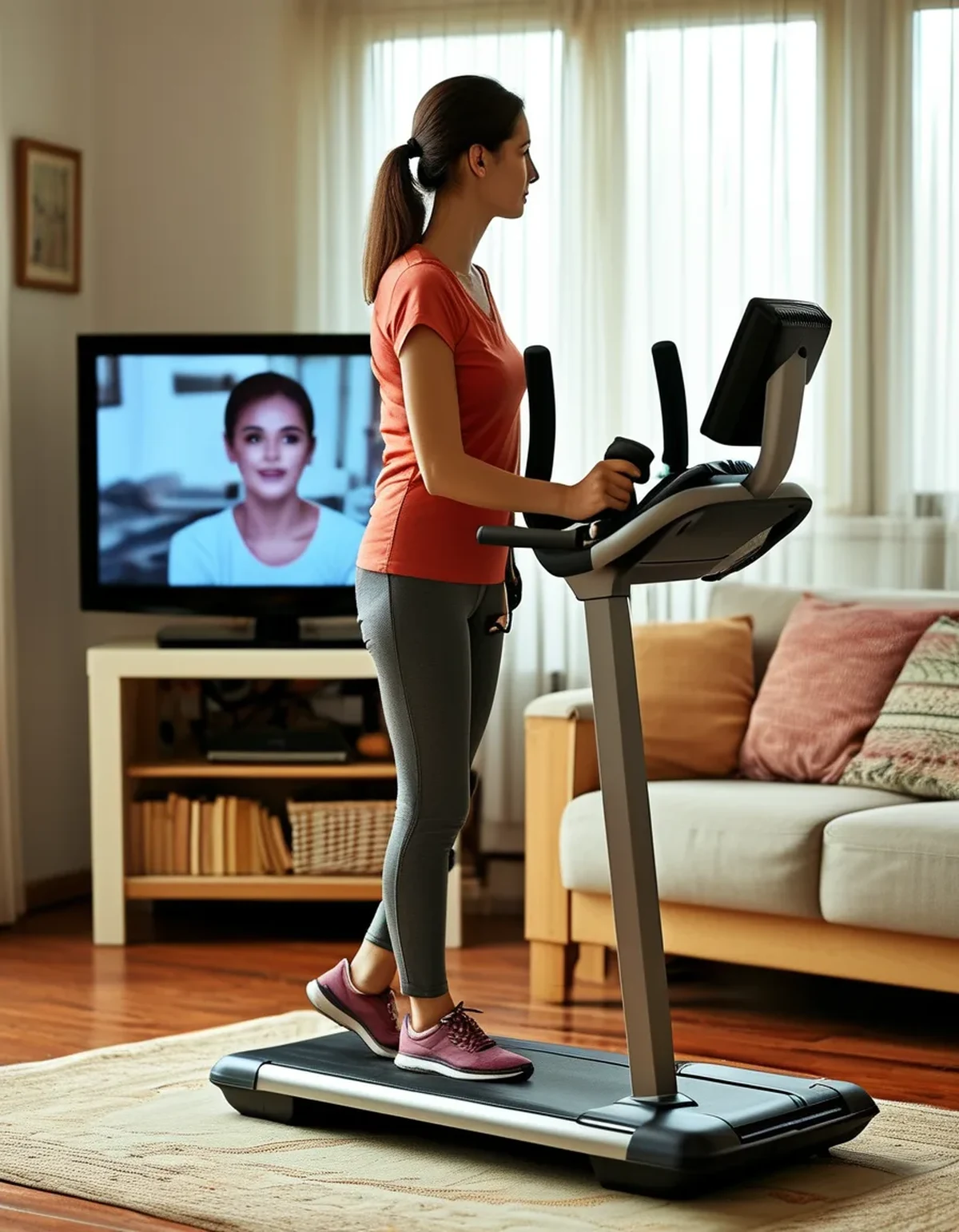
Why does a small range of motion make effort feel lower than it actually is?
Perceived exertion is partly driven by how large and dynamic a movement feels, and a mini stepper’s compact, repetitive motion registers as less demanding to the brain’s effort-perception system than a full-range movement like climbing actual stairs, even at a comparable heart rate. This is a genuine perceptual effect, not a sign the workout isn’t real cardiovascular effort.
This is actually part of the mini stepper’s appeal for some people — a workout that feels manageable while still producing real cardiovascular benefit, according to heart rate data.
Does doing the workout while distracted make this gap even bigger?
Yes — mental distraction, like watching TV during a session, further reduces perceived exertion, since attention diverted away from the body’s effort signals tends to make any exercise feel easier than it would with full attention on the workout itself. This is a well-documented pattern across exercise types, and mini steppers are frequently used specifically during screen time, which compounds the effect.
This isn’t necessarily a downside — many people specifically value the mini stepper as a way to get real cardio benefit during time that would otherwise be sedentary screen time anyway.
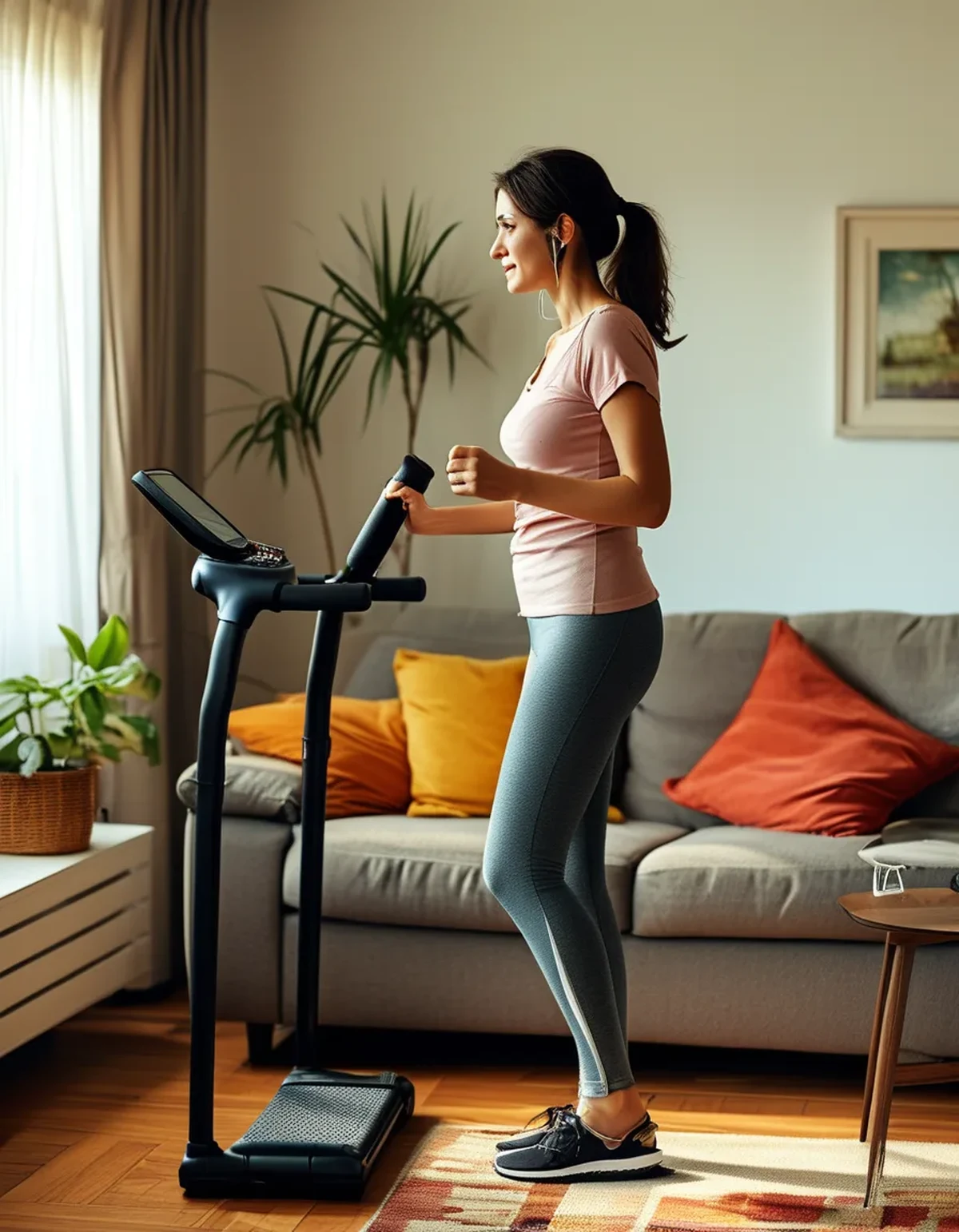
Is the heart rate number itself reliable on a mini stepper, or does it read inaccurately?
Heart rate monitoring on a mini stepper is generally as accurate as on other cardio equipment, since heart rate reflects actual cardiovascular demand regardless of how the movement feels perceptually. If anything, this makes heart rate a more objective indicator of real workout intensity than perceived effort is, specifically for equipment like this where perception and reality diverge.
This is a good argument for using a heart rate monitor with a mini stepper specifically, rather than relying on feel alone to judge whether a session was a meaningful workout.
Does this mean mini stepper calorie estimates on the screen are more or less trustworthy than the feeling suggests?
Built-in calorie estimates on most mini steppers tend to overestimate actual calorie burn, a separate issue from the perceived-effort gap, since these estimates typically use generic formulas that don’t account for individual body weight, fitness level, or resistance setting accurately. Heart rate data, when available, tends to give a more individually accurate picture of actual intensity than the machine’s built-in calorie counter.
This is worth knowing specifically because the low perceived effort combined with an optimistic calorie number on screen can create a doubly misleading impression of how much the session actually accomplished, in either direction.
FAQ: Mini Stepper Effort and Heart Rate, Answered
Should I trust my heart rate monitor over how the workout feels?
For judging actual cardiovascular intensity, yes — heart rate is a more objective measure than perceived effort specifically for equipment like a mini stepper where the two commonly diverge.
Is it a problem if a mini stepper workout never feels very hard?
Not necessarily — if heart rate data confirms you’re reaching an appropriate training zone, a lower perceived effort doesn’t mean the workout isn’t effective.
Does increasing resistance level close this feeling-versus-heart-rate gap?
Higher resistance does increase both actual effort and heart rate, and tends to narrow the gap somewhat, though the compact range of motion still keeps perceived effort somewhat lower than equivalent full-range exercises.
TL;DR:
- A mini stepper’s compact range of motion genuinely lowers perceived exertion relative to actual heart rate
- Screen distraction during a session compounds this gap further, without reducing real cardiovascular benefit
- Heart rate monitoring is a more reliable intensity indicator than perceived effort for this specific equipment
- Built-in calorie estimates tend to run optimistic, adding a second layer of potential mismatch with reality
Feeling like a mini stepper session was ‘too easy to count’ doesn’t mean it wasn’t real cardio — checking heart rate rather than how hard it felt usually tells a more accurate story.
Keep Reading
This article is for general informational and styling purposes only. Fit, sizing, and product availability may vary.